
Floor condition
Assessment of wear, scratches, coating failure, board condition and repair areas.
Timber floor sanding and polishing Sydney
Refresh suitable timber floors with sanding, coating and restoration advice, or get honest guidance when replacement is the better path.
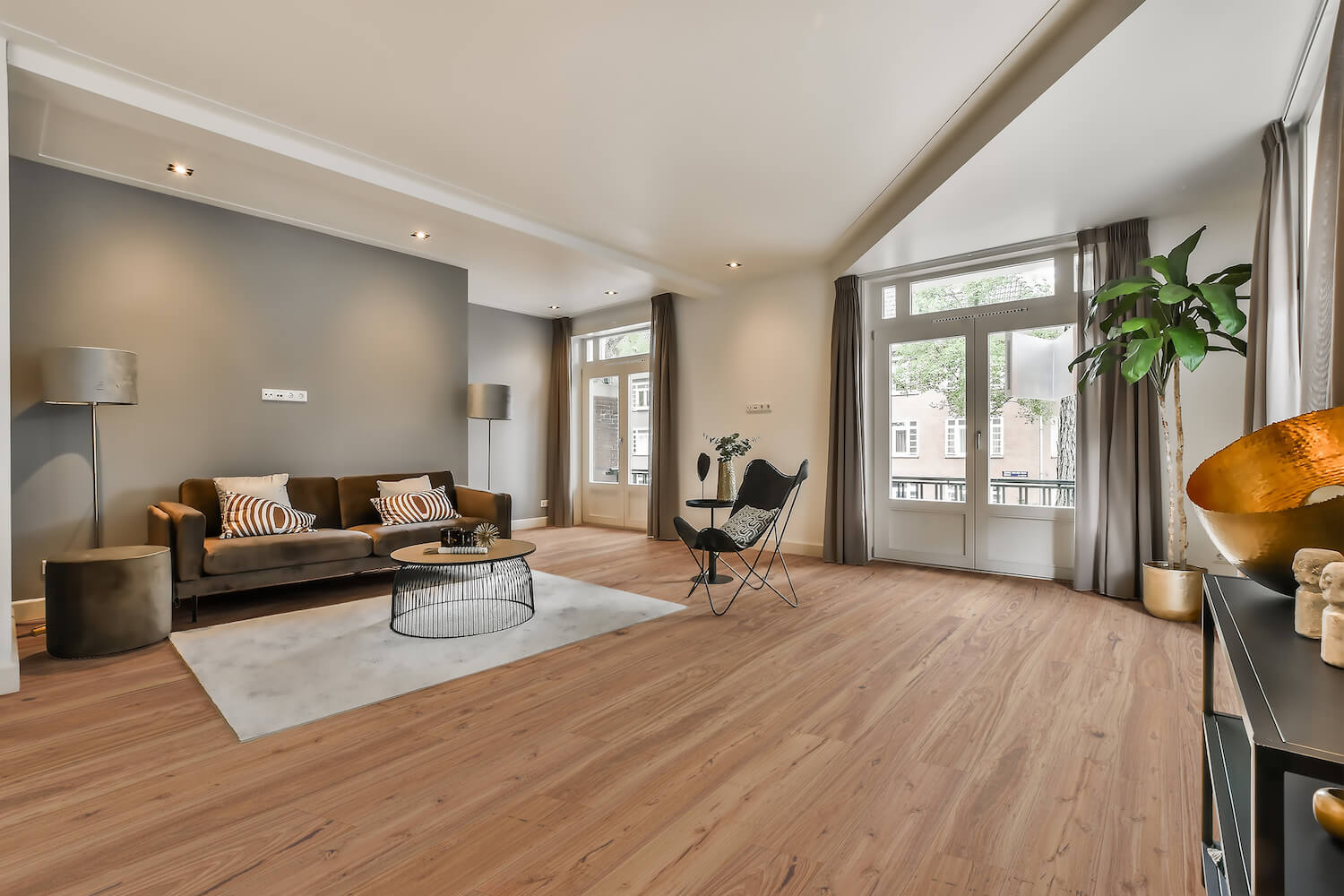
Restoration service
Existing timber floors can often be improved when the boards are thick enough, structurally sound and not too damaged by moisture, deep staining or past sanding.
Sanding and polishing should begin with a realistic assessment of board condition, coating failure, scratches, gaps, repairs and the finish customers expect after work is complete.
Assessment of wear, scratches, coating failure, board condition and repair areas.
Sanding preparation before coating or polishing suitable timber floors.
Finish discussions for sheen, colour direction and maintenance expectations.
Advice when removal, replacement or partial repair is more practical than restoration.
Restoration fit
Sanding and polishing can be valuable, but only if the existing timber floor can support the result.
Surface scratches, dull coatings and general wear can often be assessed for sanding and recoating.
Solid timber is usually the most relevant category when customers are comparing sanding, polishing and long-term maintenance.
If boards are too thin, unstable or badly damaged, replacement and preparation may deliver a better result.
Assessment
The finished result depends on the timber, past coatings, damage, repairs and site access as much as the sanding process itself.
Thickness, cupping, movement, water damage and past sanding history influence whether restoration is suitable.
Old coatings, stains and contaminants can affect sanding effort and final appearance.
Damaged boards, missing sections and gaps should be discussed before finishing expectations are set.
Sheen, colour direction, drying time and maintenance expectations should match the way the space is used.
Related pages
Restoration decisions often connect to solid timber, removal and replacement installation options.
FAQs
These answers help prepare a useful enquiry before site inspection or product selection.
No. The boards need enough usable thickness and must be stable enough to sand. Severe water damage, deep staining, movement or repeated past sanding may make replacement more practical.
Not always. Surface wear often improves, but deep stains, pet damage, water marks and colour variation may remain or require board repairs.
Yes. Send photos, the age of the floor if known, the room area and the result you want. Oz can discuss whether sanding, partial repairs or replacement should be considered.
Access and furniture removal should be planned before work. Include photos and room details in the enquiry so the team can discuss preparation requirements.
Talk to Oz Timber Floor
Send photos, suburb, approximate area, timber type if known and whether the floor has deep scratches, stains, movement or past coating issues.